










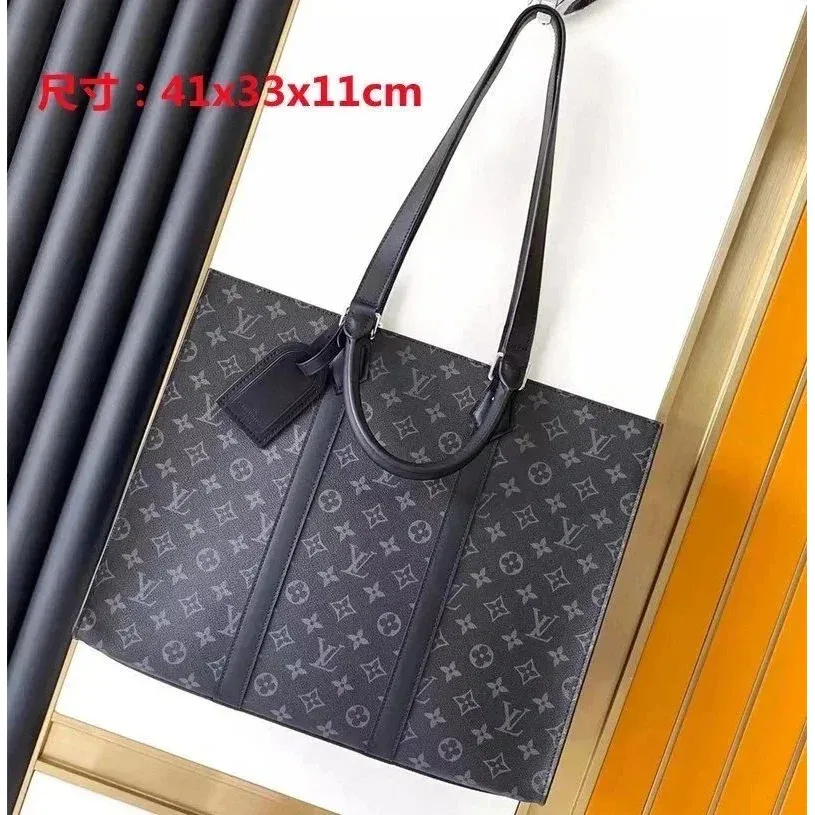


Choose the carrying format before the colour
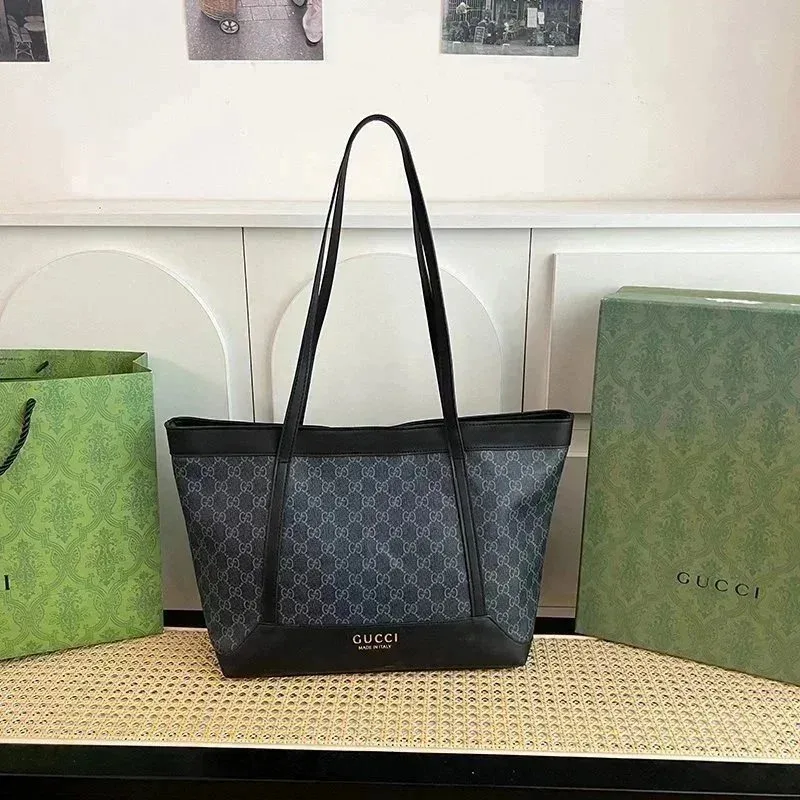
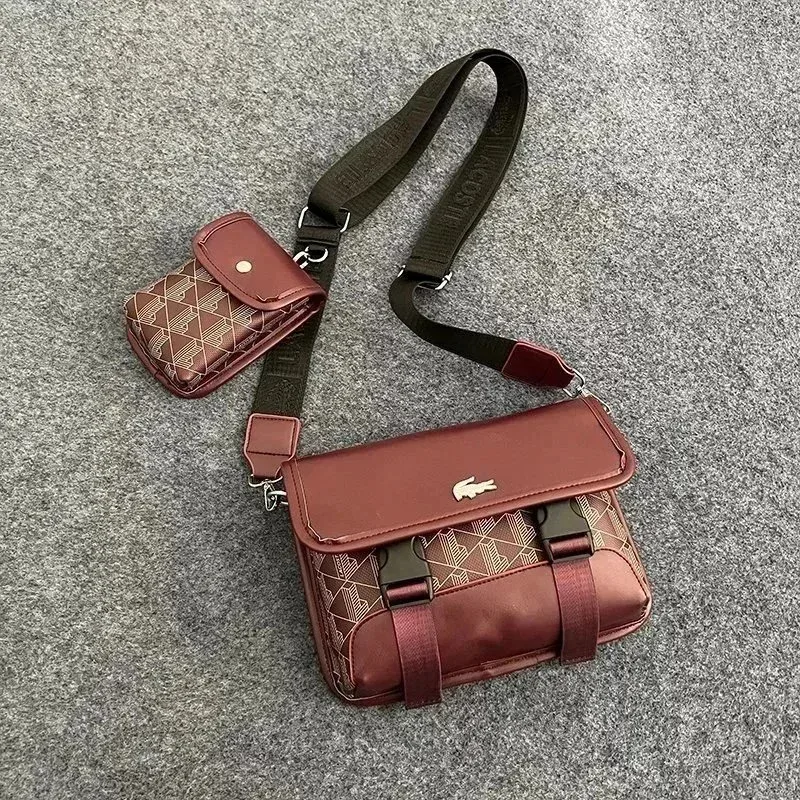
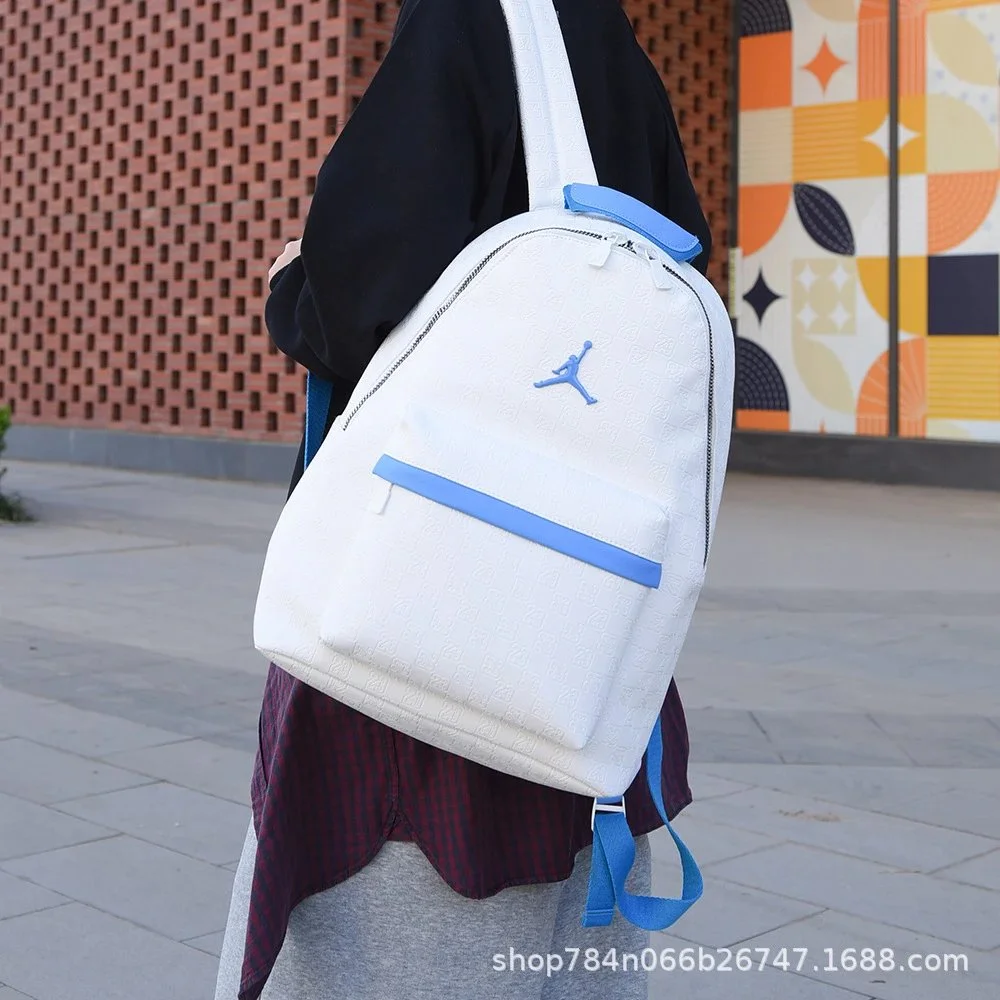
A backpack uses two shoulder straps; a tote usually relies on handles or a shoulder carry; a duffle provides a longer bag shape. The photos show these formats, but the strap lengths and wearing comfort still need checking.
For a commute, list the laptop, charger and daily essentials you need to carry. For a short trip, include shoes and clothing. If you mainly want a small everyday bag, a large travel format may add bulk without solving your actual need.
Laptop fit depends on the compartment and opening
REI’s daypack guide discusses purpose, features and fit. For this edit, use those ideas to create a short checklist rather than borrowing a capacity claim from another manufacturer. None of these photos proves laptop compatibility.
Measure your device with its case and compare width, height and depth with the internal compartment. Ask whether the stated dimensions are external or internal, and inspect the entry opening. A device can fit the bag’s exterior dimensions yet fail to pass through the zipper opening.
A shoe compartment needs its own evidence
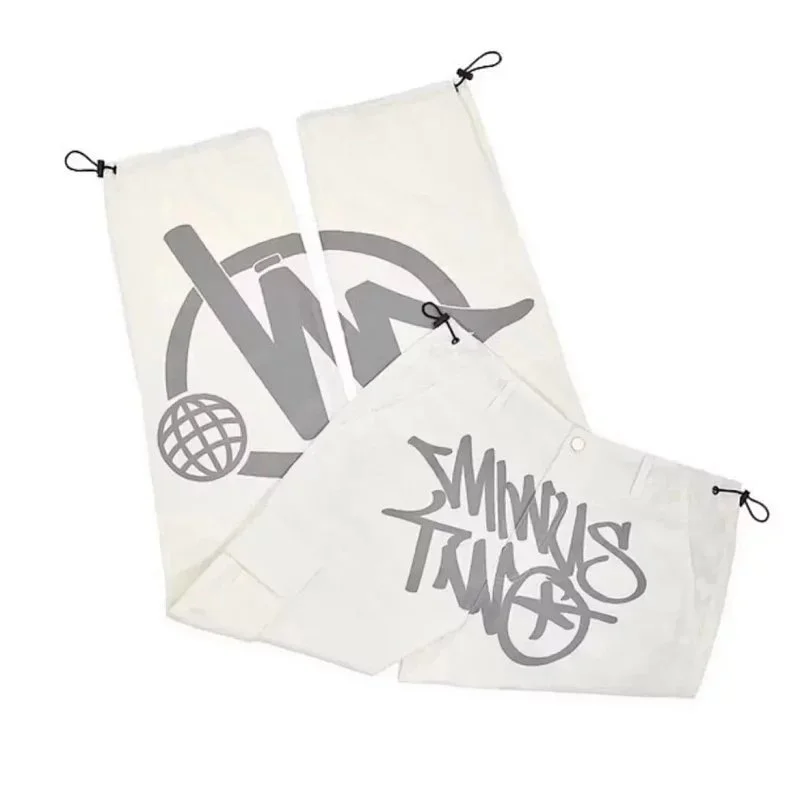
If you need a shoe compartment or separated storage, request a clear interior view and dimensions for that section. The current duffle preview shows the exterior; it does not establish which compartments the selected version contains.
Separation is not the same as waterproofing. Likewise, a patterned tote image does not establish canvas composition or a load rating. For QC, check the chosen colour, interior, handles, strap attachment points and closures. A plain front shot leaves several of those questions unresolved.
Method references: REI: choosing a daypack ↗. Reviewed . These sources explain methods, not the quality or sizing of the displayed products.