


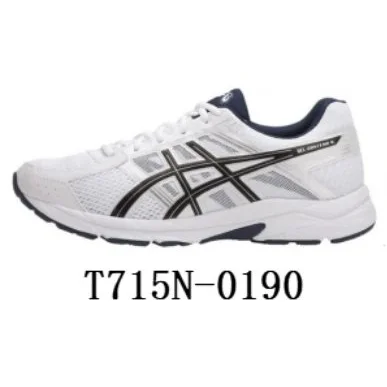


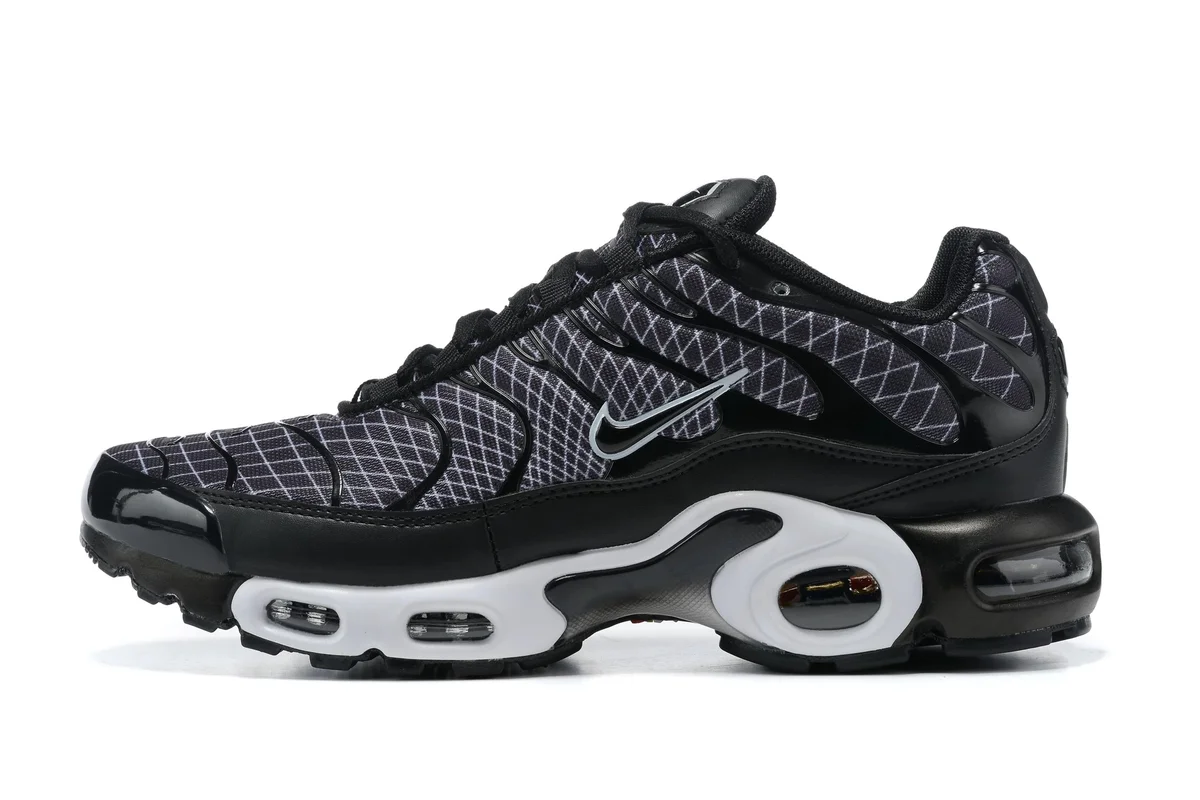
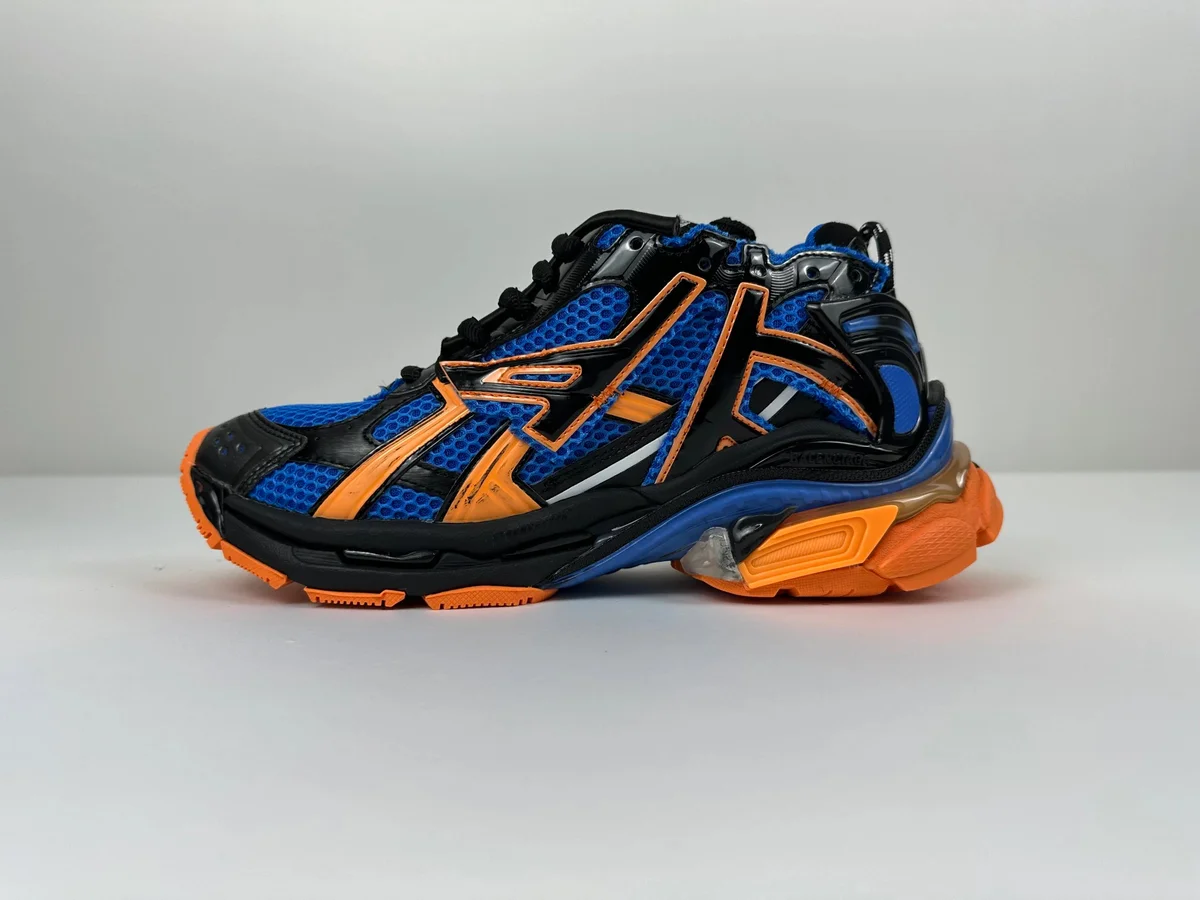
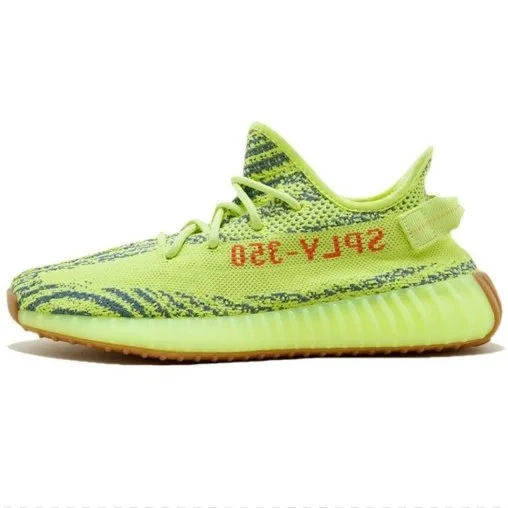


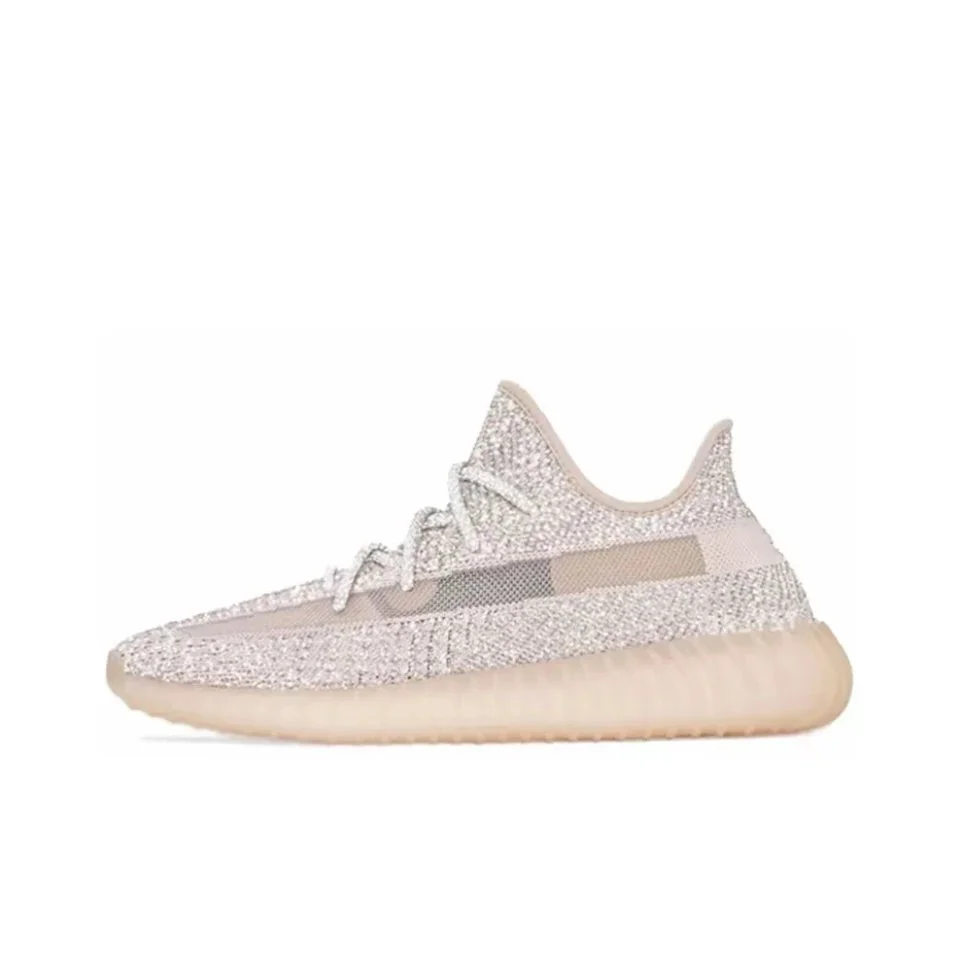
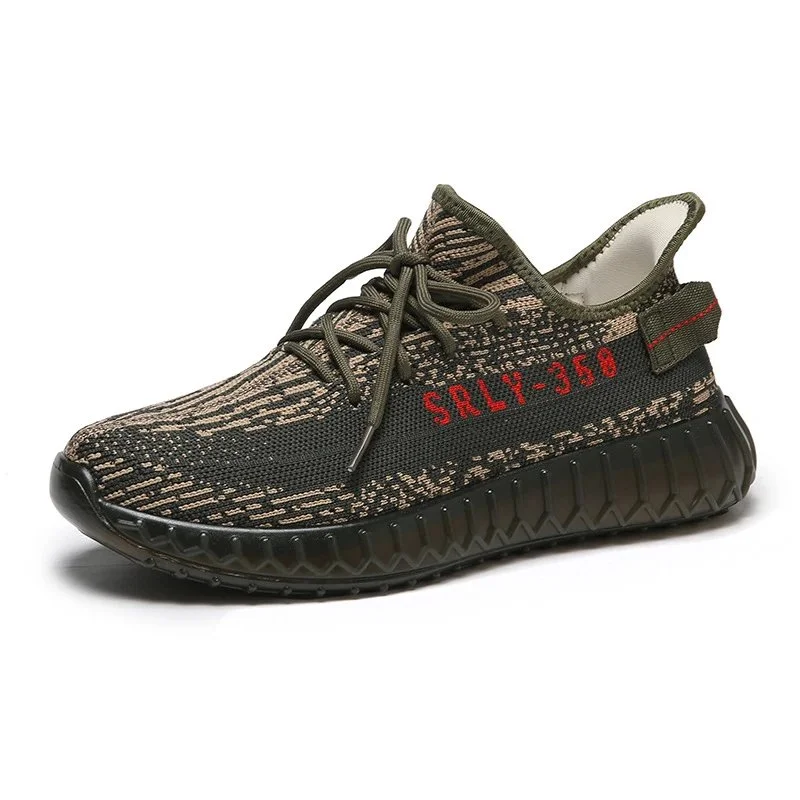
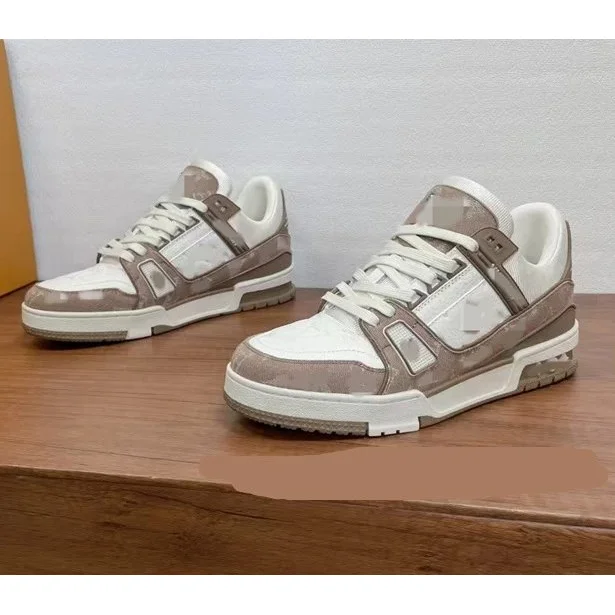


High-top or low-top: compare the visible shape
The first two previews have tall collars and contrasting panels. The lower-cut listings offer different toe shapes, side panels and sole outlines. Compare those visible features with the shoes you already wear, rather than treating every similarly coloured pair as the same model.
Choose the silhouette first, then inspect the full listing for the exact colour option. A preview can show one colourway while the seller offers several. Keep the model code and selected variant together when checking the size chart.
EU and US sizes need the listing’s own conversion
Nike’s footwear guide distinguishes foot length from a centimetre label on a box. That is a useful reminder to read chart definitions before comparing numbers; its conversion table does not establish sizing for every listing here.
Record your measured foot length and the chart units. If the seller instead gives an insole measurement, ask how it was measured. An insole length and a standing foot length describe different things, so matching the numbers alone can be misleading.
Use QC photos to check the selected pair
For a high-top, request clear views of the collar and both sides. For a low-top, include the toe area and heel. Compare the size label, colour placement and pair symmetry with the variant you selected.
These previews are catalog images. They do not establish comfort, durability, authenticity or the condition of a shipped pair. If a detail is hidden by the angle, keep it as an unanswered question until the listing or parcel photos resolve it.
Method references: Nike: footwear size guide ↗. Reviewed . These sources explain methods, not the quality or sizing of the displayed products.