


List your essentials before choosing a shape
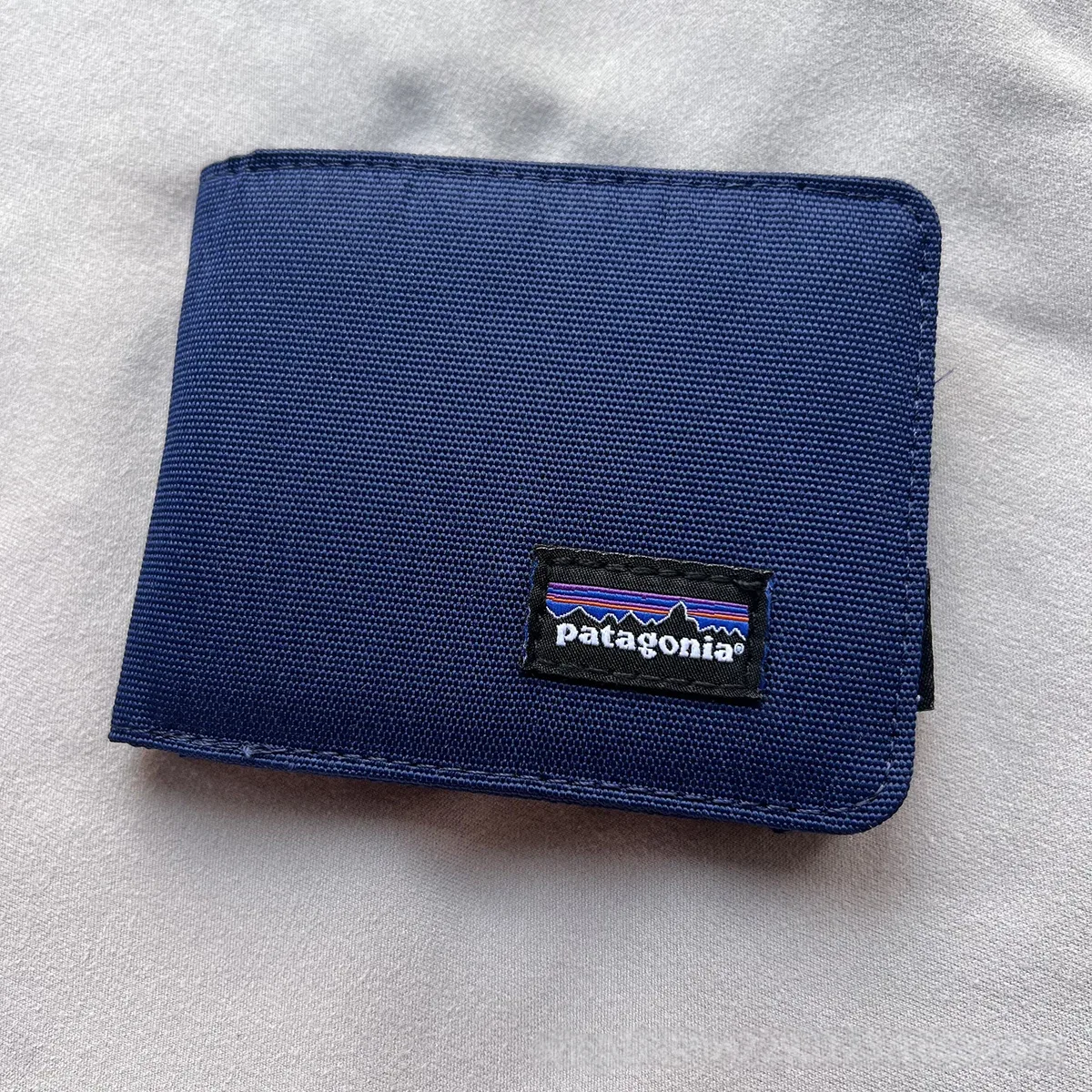
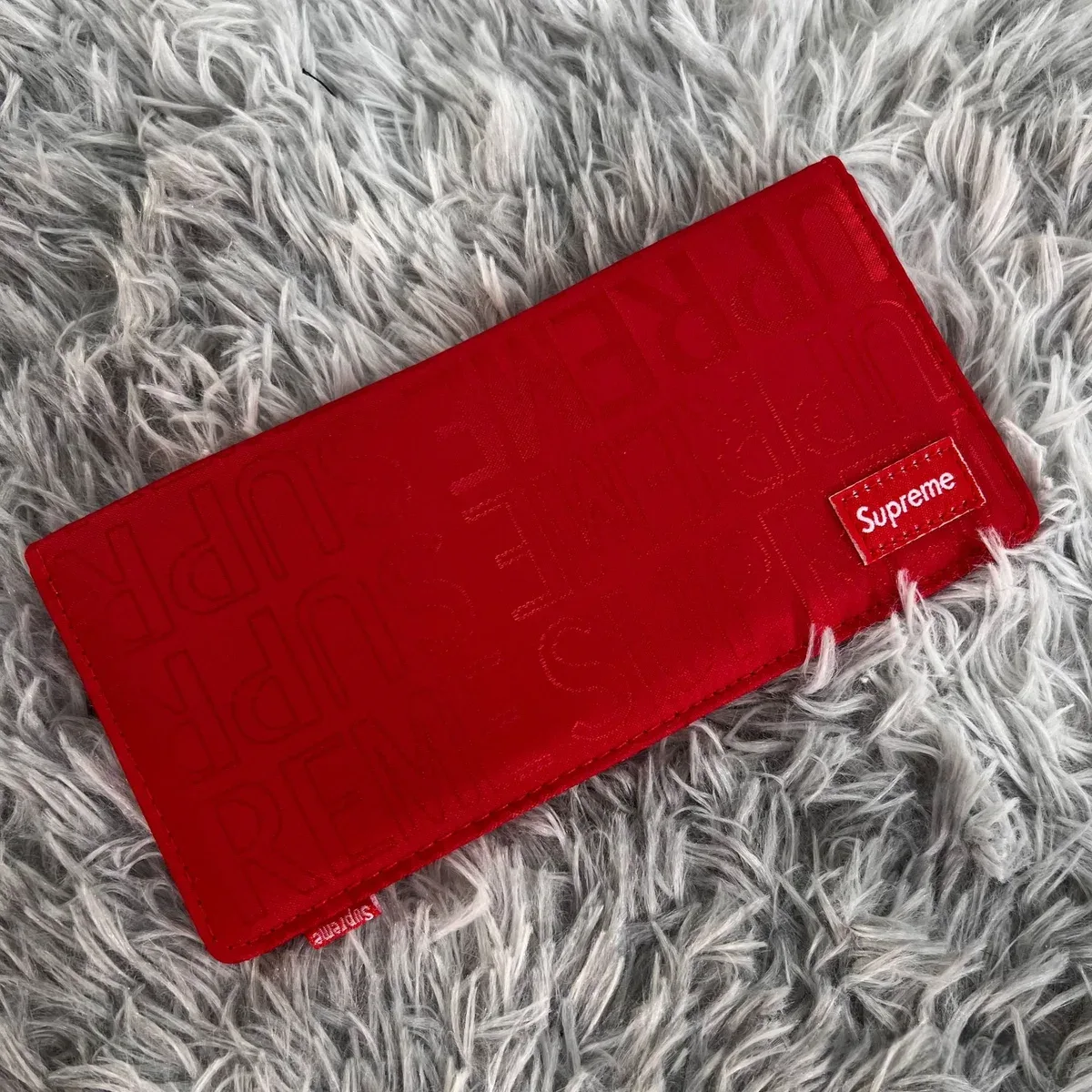
Start with the items you carry: cards, folded notes, keys, phone or a larger device. A compact wallet and a long wallet solve different space problems. Compare their closed dimensions with the pocket or bag where they will live.
The photographs show colour and external form. They do not establish the number of usable card slots or whether a phone fits. Look for open interior views and dimensions in the full listing.
For the belts in this grid, check whether the size means total length or a usable fastening range. For eyewear, compare frame width and arm length with a pair you already wear. Lens colour in a catalog image does not establish its specifications.
Use the bag guide for capacity and carrying questions
For backpack, tote or duffle capacity, continue with the dedicated bag guide. REI’s daypack guide distinguishes intended use, organisation and fit; compare those points with the bag’s actual contents and carrying format.
Read product names as leads to verify
Product names may mention material or storage features. Treat them as details to verify with listing information and interior views, rather than proof of performance or quality.
At QC, request the exterior, interior, closure and selected variant. Seller photos on this page are discovery aids; they are not evidence that a particular wallet or bag has passed a hands-on quality inspection.
Method references: REI: choosing a daypack ↗. Reviewed . These sources explain methods, not the quality or sizing of the displayed products.