


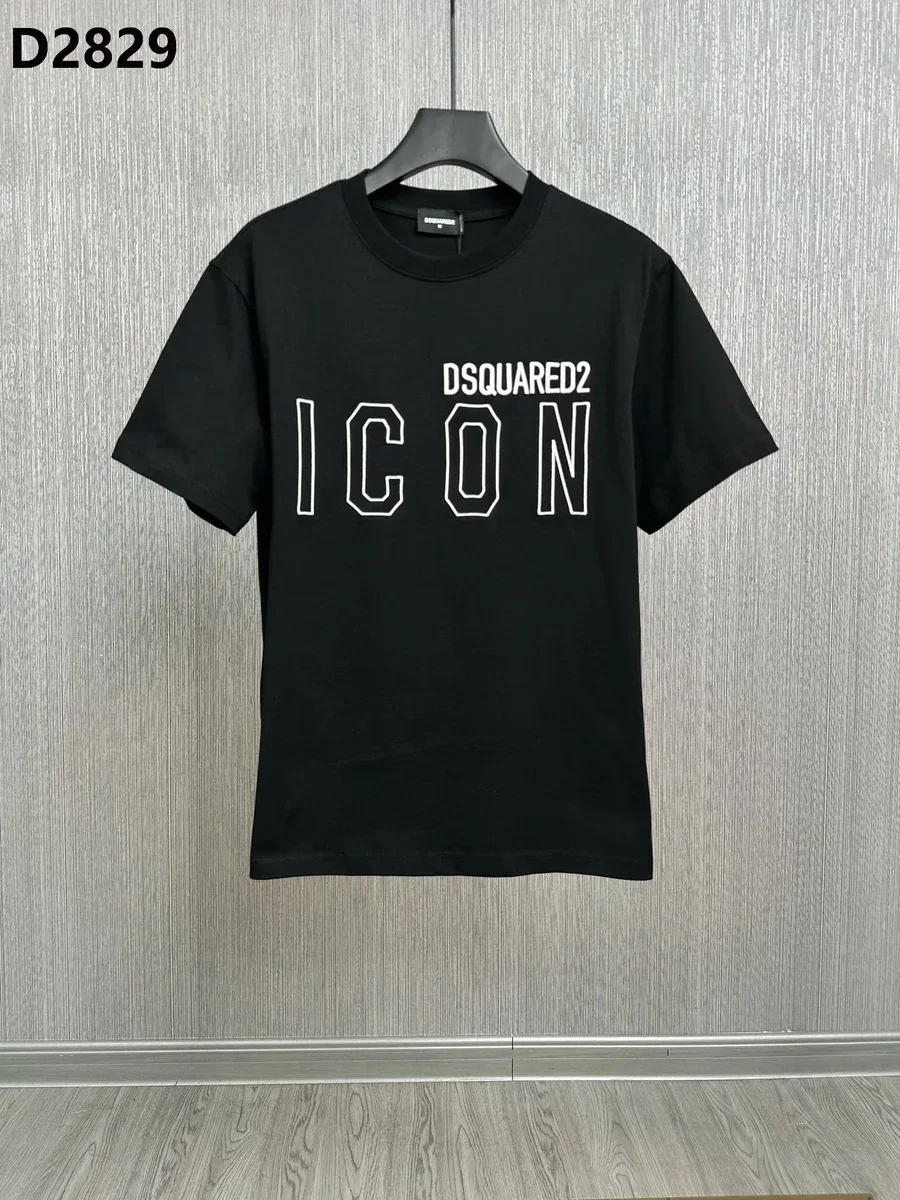


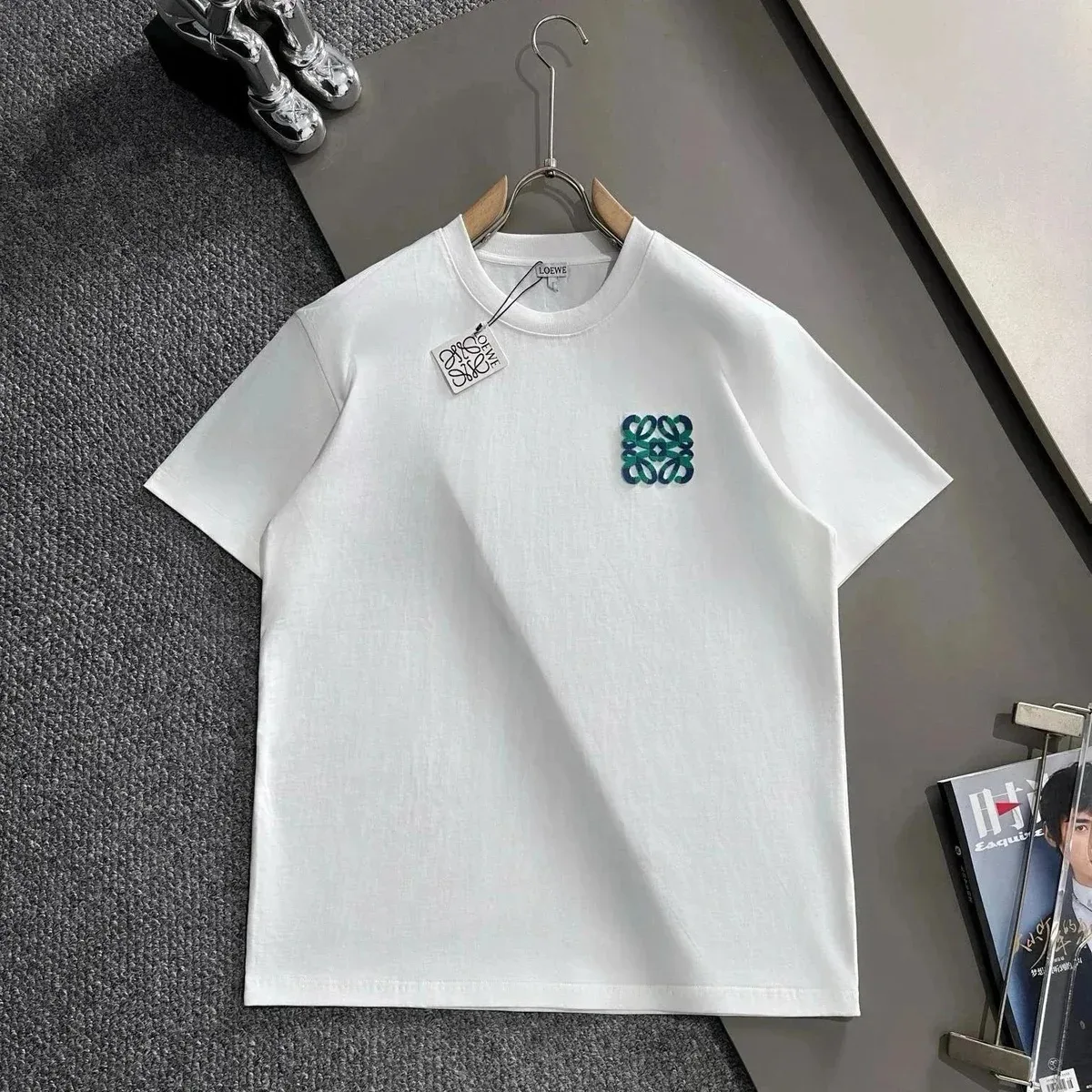
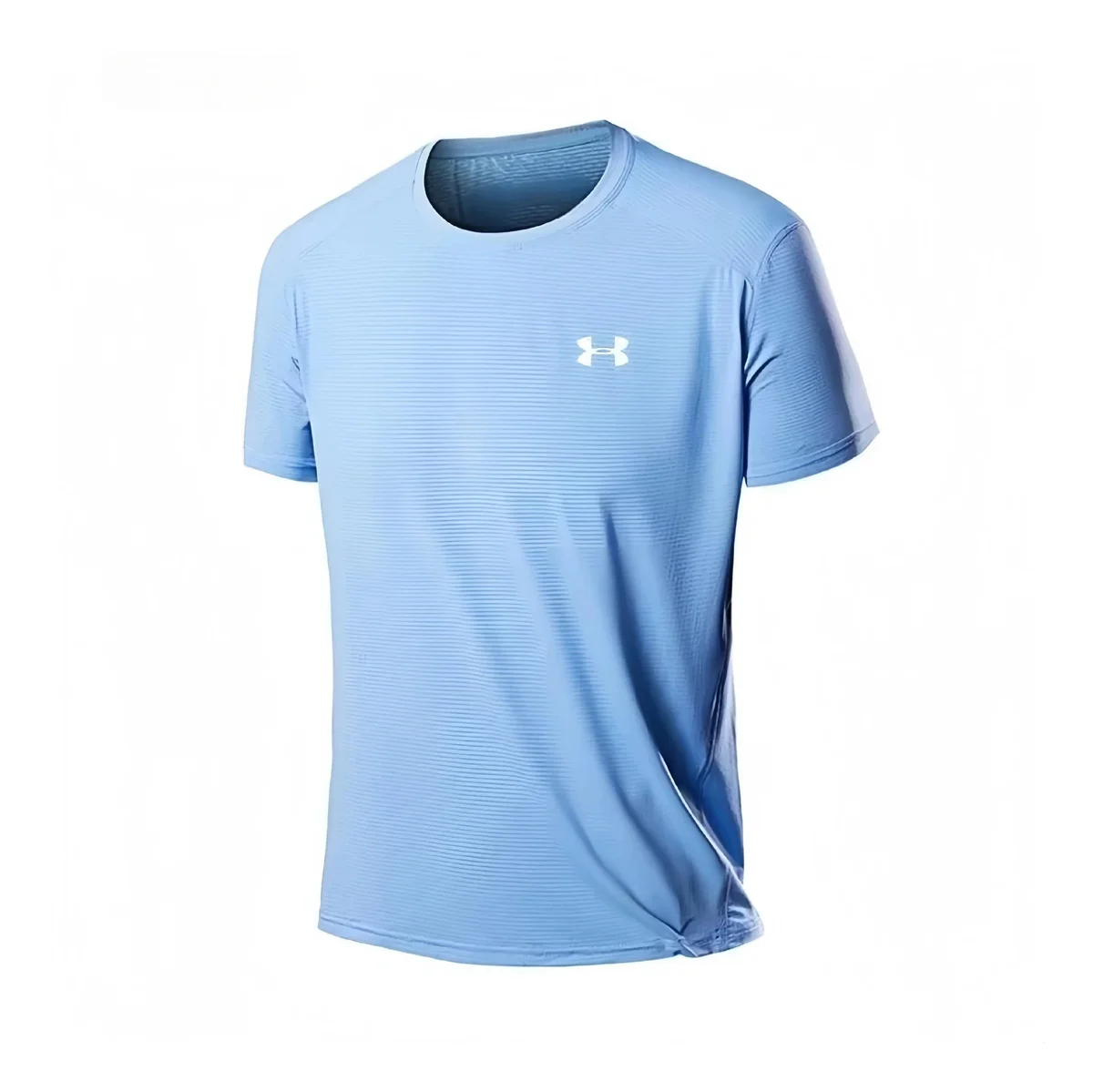
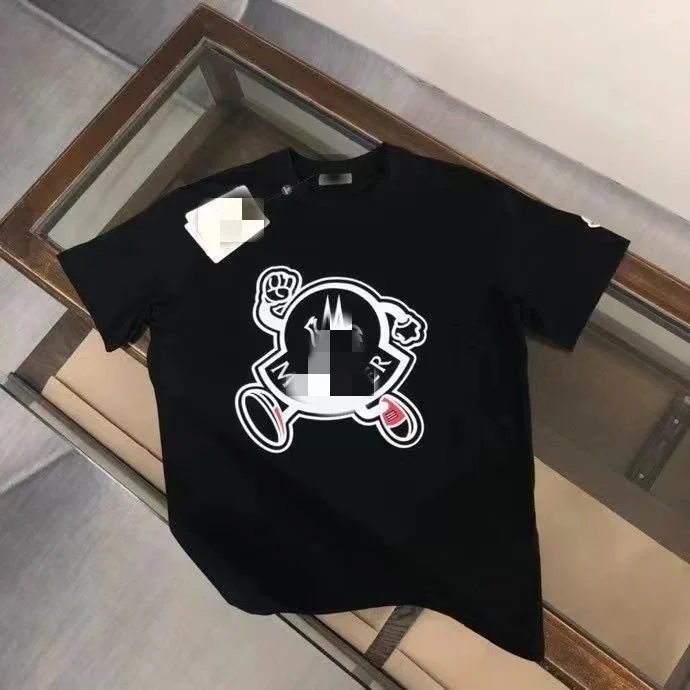


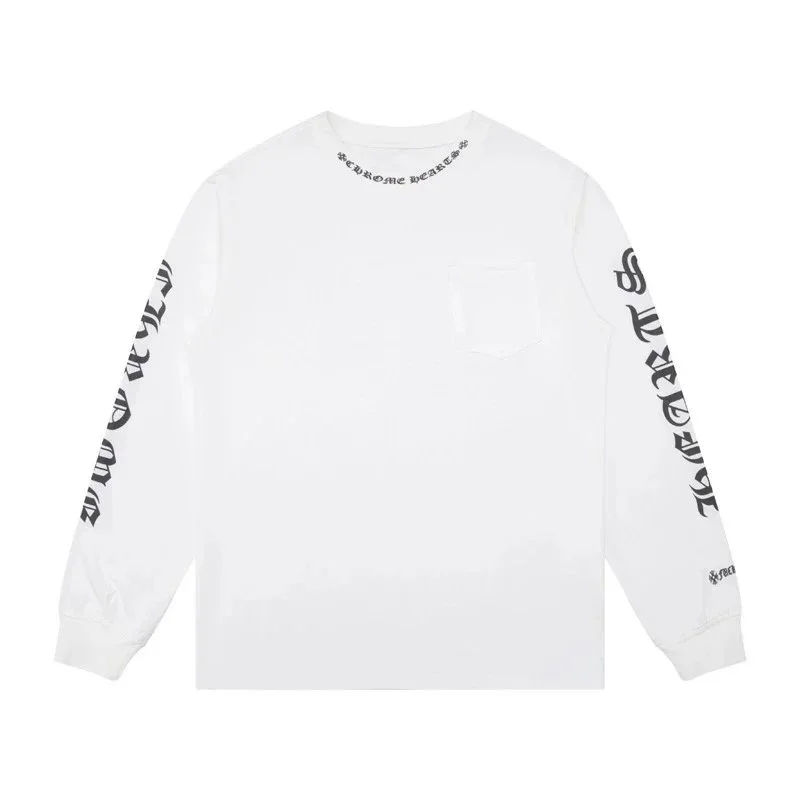
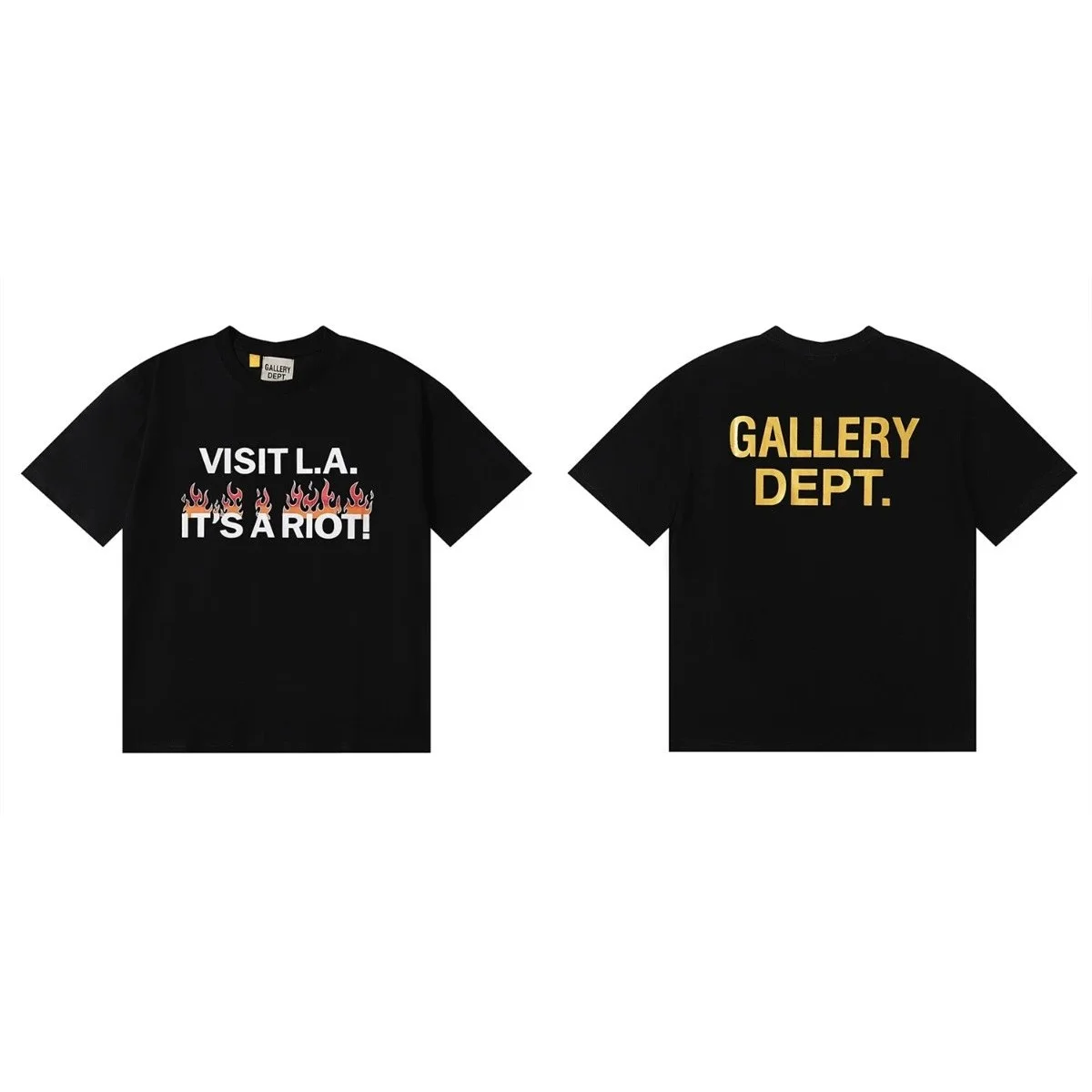
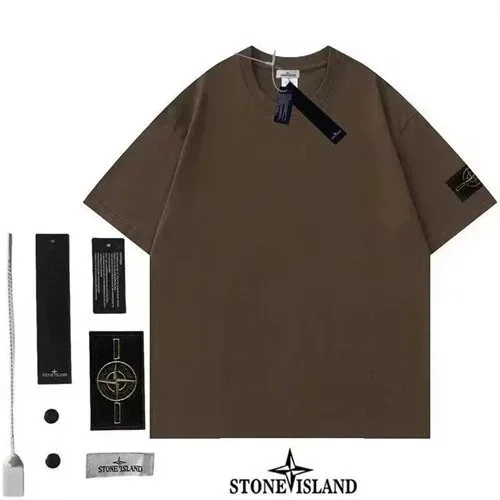
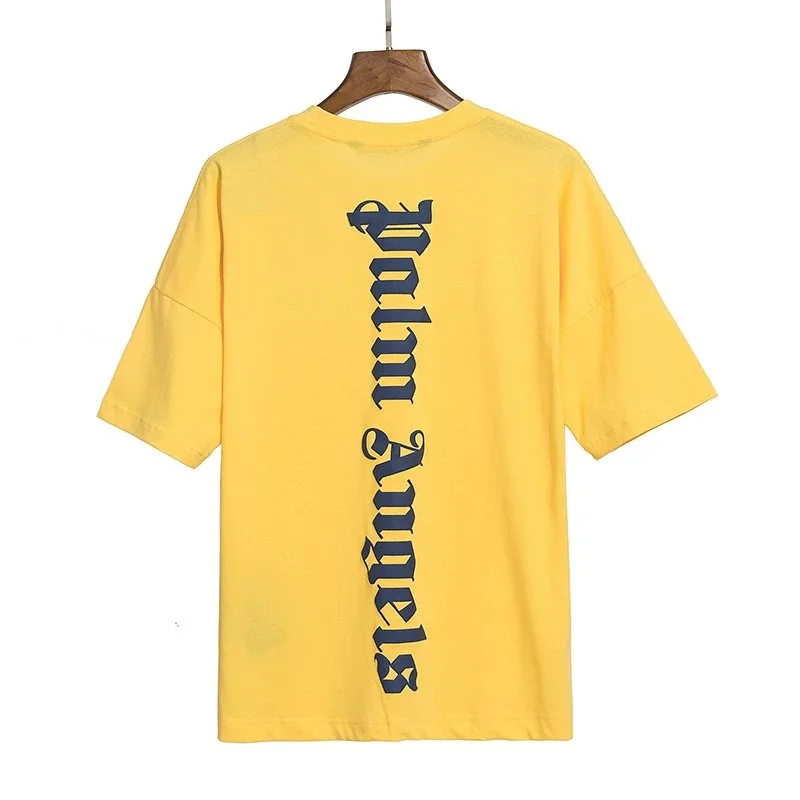

Start with the sleeve and graphic placement
Separate short sleeves from long-sleeve listings before comparing prices. A large front print, small chest mark and plain front can suit different outfits even when the base colour matches.
Compare the print’s location relative to the neckline and hem in the full listing. A tightly cropped image can make a graphic look larger than it is. Ask for a complete front view if the picture does not show the whole garment.
Flat chest width is not a body circumference
UNIQLO describes measurements of a laid-flat garment separately from body dimensions. Follow the seller’s diagram to see which one a T-shirt chart uses. Do not compare a flat width directly with a circumference.
Use a T-shirt you like as a reference for chest width, body length and shoulder position. An oversized cut may have dropped shoulders; that shifts where the sleeve starts. A familiar letter size cannot explain those proportions on its own.
Treat material and performance claims separately
Some catalog names include fabric or performance terms. The listing image can show a colour or sleeve shape, but it cannot establish drying speed, fibre content or durability. Read the seller’s specifications before relying on those properties.
At QC, match the selected graphic, colour and size label first. If fit is the main concern, a properly positioned measurement photo is more useful than another close-up of the logo. Allow for the chart’s stated tolerance, if one is provided.
Method references: UNIQLO: product measurement guidelines ↗. Reviewed . These sources explain methods, not the quality or sizing of the displayed products.